If a child can’t learn the way we teach, maybe we should teach the way they learn”
-Ignacio Estrada
Why Sensory Wall
School districts across the country are facing a multifaceted crisis that particularly impacts special needs students. The core challenges include insufficient staffing, inadequate funding, and a shortage of classrooms. These systemic issues make it increasingly difficult to provide the individualized attention and specialized resources that special needs students require to thrive academically and socially.
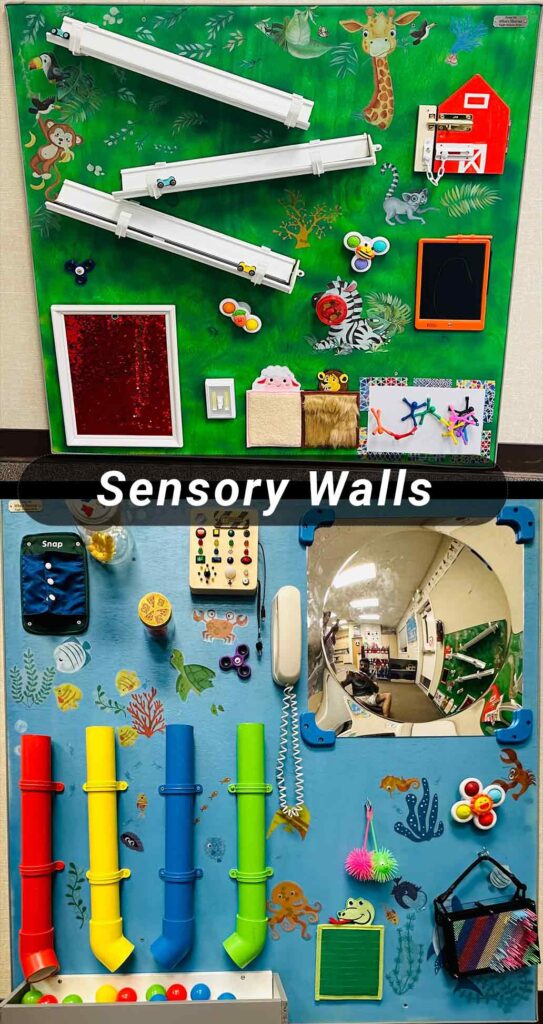
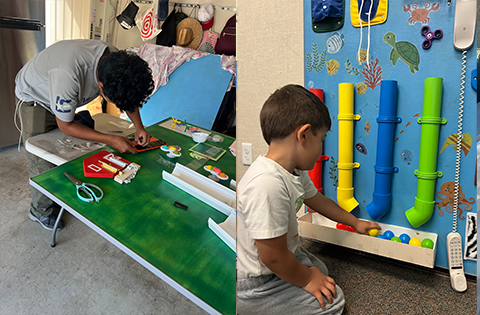
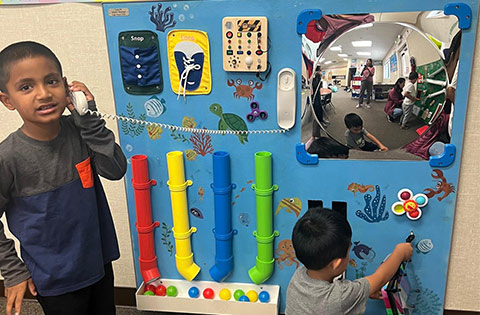
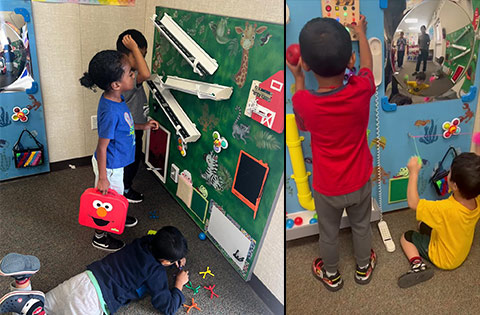
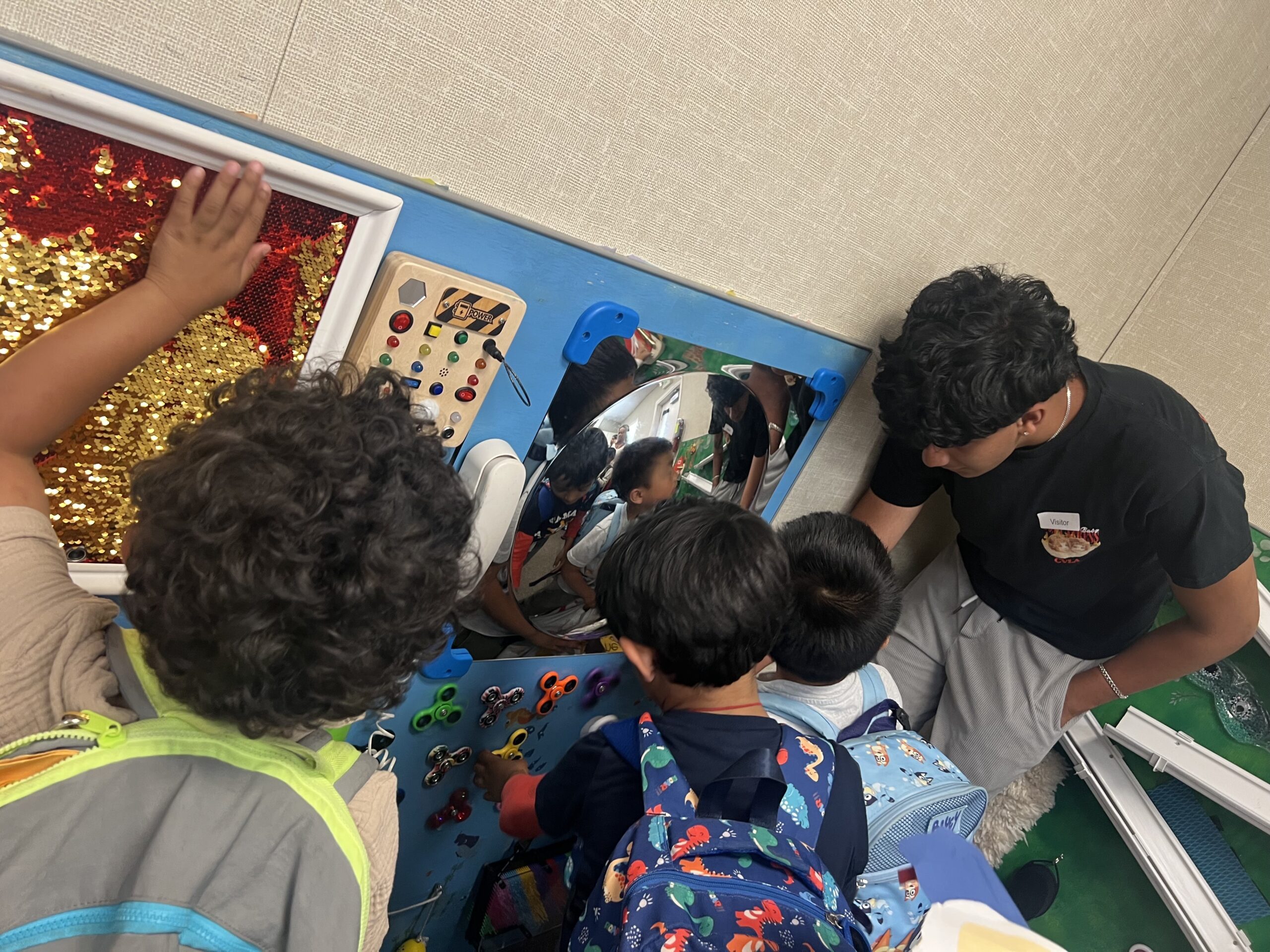
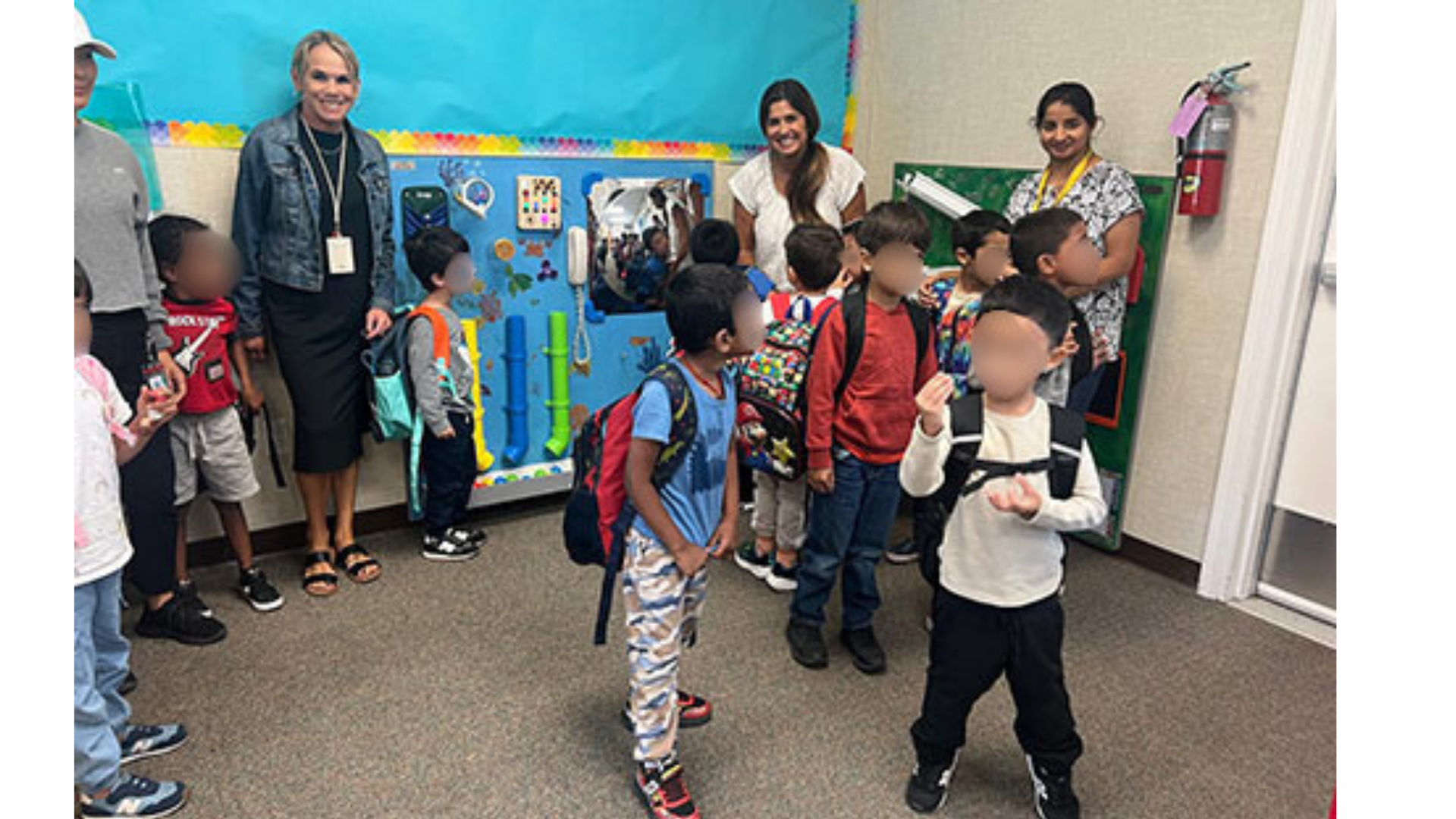
Sensory walls offer a variety of textures, colors, and interactive elements that help students engage their senses, which is particularly beneficial for those with sensory processing disorders, autism, or developmental delays.
02.
Improve Focus and Attention
By providing a stimulating yet calming tool, sensory walls can help students regulate their sensory input, improving their ability to focus on academic tasks and reduce anxiety or restlessness.
03.
Encourage Motor Skill Development
Interactive elements on the sensory wall often involve fine and gross motor skills, helping students develop better coordination and strength through play and exploration.
04.
Support Emotional Regulation
Sensory activities can be calming for students with emotional or behavioral challenges, helping them self-regulate and reduce stress or overstimulation.
05.
Enhance Communication and Social Skills
Sensory walls can be a medium for peer interaction and communication, encouraging students to express themselves or collaborate in exploring the wall.
06.
Adapt to Diverse Learning Styles
Sensory walls cater to the diverse needs of students in special education classrooms, supporting individualized learning by offering multiple ways to engage with information.